
a figure combing! US sanctions Chinese biopharmaceutical context
Click on the blue above to pay attention to us •

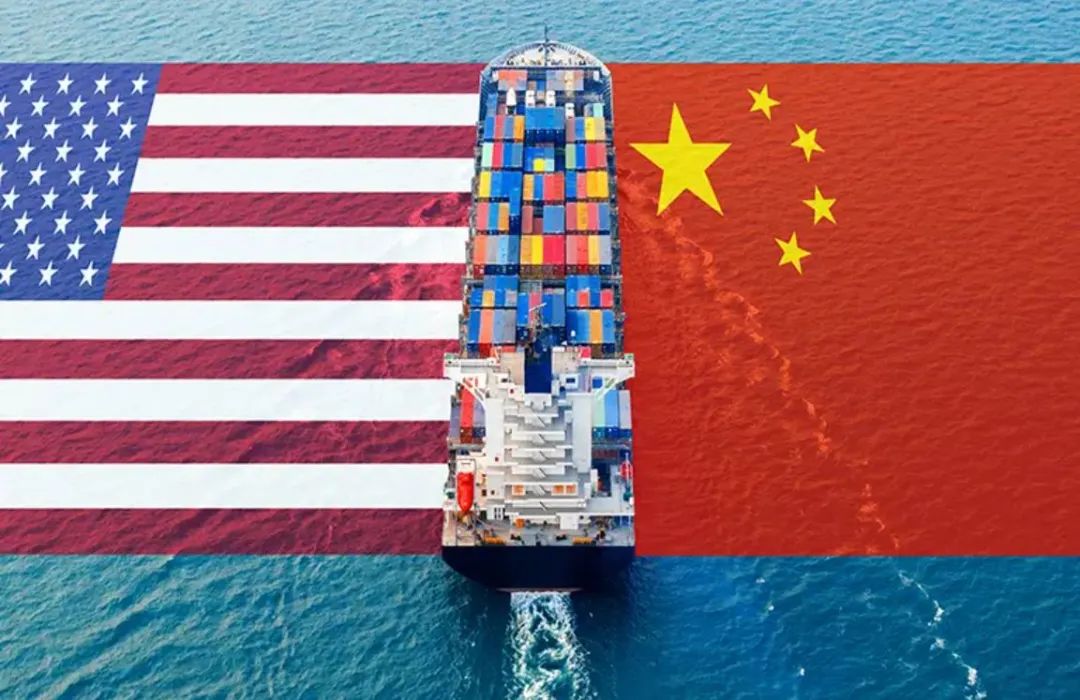
Since 2018, the United States has issued a number of sanctions around Sino-US trade frictions, maintaining strict blockade restrictions on China in high-tech fields such as semiconductors, 5G, aerospace and aviation, and imposing export controls on key items or technologies that China needs. It has also frequently issued cards to the biomedical industry and delayed China's technological development through a series of containment strategies. In the long run, this containment trend will not change, in some high-barrier technologies, the foundation is weak, and local companies still have a long way to go.
3 April 2018
, the United States released a list of Chinese goods to be taxed for a total of about US $50 billion, involving 122 biomedical products, including specialty APIs, biological products, preparations, medical devices and other fields.
15 June 2018
, the United States officially announced a tax on 34 billion goods announced in April, and added 284 new goods to be taxed, mainly including high-end medical devices. The increase in tariffs has reduced the profit margins of domestic drug exports to a certain extent and increased the operating costs of preparation exporters.
November 2018
the formal implementation of the pilot program of the Foreign Investment Risk Assessment Modernization Act (FIRRMA) in the United States, the Committee on Foreign Investment in the United States (CFIUS) will conduct a more stringent national security review of foreign equity investment in 27 industries, and the biotechnology research and development industry is among them. Since then, there have been a number of delayed or blocked incidents of Chinese investment in biomedicine and biotechnology in the United States.
7 May 2019
, the U.S. Congress proposed the 2019 China Technology Transfer Restriction Act, which requires a ban on the export of core technologies, including high-end medical equipment and biotechnology, to China on the grounds of national security. The bill lists 16 industrial technologies directly related to the "Made in China 2025" strategy, and proposes that companies exporting any of these technologies will be blacklisted.
31 July 2019
, the U. S.-China Economic and Security Review Commission named 10 Chinese companies that need to focus on the main areas of China's progress in biotechnology over the past five years: biopharmaceuticals, CRO/CMO, and gene sequencing.
22 May 2020
, the U.S. Department of Commerce included the China Material Evidence Identification Center and the National Drug Laboratory in the "Entity List" for sanctions without any evidence, which seriously affected the inspection and identification of fentanyl substances in China and hindered China's fentanyl The normal operation of the substance monitoring system.
21 July 2020
BIS of the United States included two subsidiaries of BGI, a pioneer company in the field of gene sequencing in China, on the entity list, citing human rights issues.
6 August 2020
The FDA temporarily canceled the emergency use authorization for China's Antu Bio-New Crown Antibody Test Reagent because the AT Reagent was forced to be removed from the U.S. market due to product performance and accuracy considerations, which seriously affected the company's performance growth in 2020.
15 December 2021
Biden signed an executive order to impose sanctions on a Chinese citizen and four companies on the grounds of combating fentanyl drug abuse and the global illegal drug trade. The United States may sanction Chinese biotechnology companies. The sanctions include the U.S. Treasury Department and the U.S. Department of Commerce.
8 February 2022
Pharmaceuticals are included in the U.S. Department of Commerce's Bureau of Industry and Security (BIS) on the unverified list (Unverified List,UVL), which specifically involves the controller and hollow fiber filter of disposable bioreactors, exposing the weakness of insufficient localization of the domestic biomedical industry supply chain.
11 February 2022
, the US FDA expert group rejected the NDA submitted by Cinda and Lilly for the anti-PD-1 antibody "xindilizumab", which they cooperated with. The reason for the objection was that only the Chinese genome was available in the Phase III trial, which could not prove whether it was universal for American patients. Prior to this, Lilly announced that it would provide the drug at 40% below the original price, and the price reduction affecting the market was also one of its concerns.
10 March 2022
, the United States, under the newly revised Foreign Company Accountability Act (HFCAA), included three biopharmaceutical companies, Baiji Shenzhou, Zaoning Pharmaceuticals, and Yellow Pharmaceuticals, on the temporary identified list and issued a delisting warning. The law requires U. S.-listed companies to submit their financial reports to auditors, while China prohibits its companies from allowing foreign groups to audit their finances or to influence all U. S.-listed Chinese-listed pharmaceutical companies.
28 March 2022
. This bill focuses on the protection of the supply chain in the pharmaceutical and manufacturing industries. It also calls on the United States to cooperate with its European counterparts. "The United States, the European Union and European countries should Coordinate a joint strategy to spread the dependence on the supply chain from China to multiple countries, especially in the medical and pharmaceutical fields".
★
Conclusion
★
can see that the sanctions in recent years can be described as all-round, with technology, talent and capital markets all subject to restrictions. Although my country's biomedical companies have developed rapidly in recent years, they started late, related technologies are immature, and there are many "stuck neck" fields in research and development. The pharmaceutical, medical and diagnostic device industries of life science and its achievements have strong technical barriers and need to enrich the accumulation of basic science. The advantage that the United States has developed in this area is overwhelming. For example, for basic biological experimental tools such as cell culture plates, the difference between imported and domestic products can significantly affect the experimental results. Even in life science research, experimental animals and strains with strict requirements on breed pedigree are dependent on imports.
China's biopharmaceutical industry is heavily dependent on imports of high-end consumables, raw materials, instruments and equipment. At present, no domestic biopharmaceutical company has achieved full localization of production equipment and consumables. Of course, in some product fields, such as disposable bags, filters and consumables, domestic companies are still emerging. Development is the last word. This is still a blue ocean market. I believe that more technologies and more mature companies will appear in the future.


